
 By
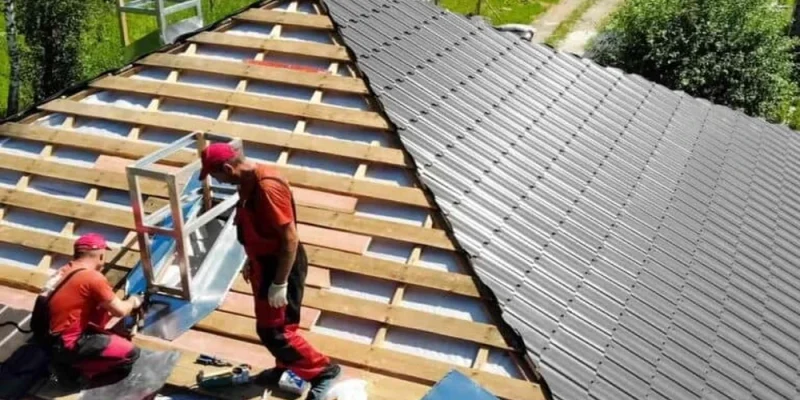
Most people judge a roof from the driveway. They look up, see shingles that seem mostly flat and mostly there, and decide the drip in the hallway ceiling is a small problem. The better place to make that call is upstairs on a bright afternoon, standing on the attic joists with the flashlight switched off. Whatever sunlight sneaks through the roof deck tells you more than any view from the street.
That habit of reading a roof from the inside is something seasoned crews rely on. ASA & Sons has been fixing and replacing roofs across the DMV out of Alexandria, Virginia since 2009, and with more than a thousand projects finished, a team like that tends to study the rafters before anyone props a ladder against the gutter. The question homeowners actually care about, whether to patch or start over, usually gets answered in the attic first.
Start Where the Daylight Gets In
Give your eyes a minute to adjust, then move slowly from one gable end to the other. You are looking for patterns rather than single flaws, and a useful attic check covers a handful of things.
- Pinpoints of light through the decking, especially near the ridge, the valleys and around the chimney.
- Dark rings on the plywood, which mark water that has come and gone more than once.
- Insulation that looks matted or damp in one spot while the rest stays fluffy.
- Rusted nail tips poking through the sheathing, a sign of moisture condensing on cold metal all winter.
- A musty smell or black speckling on the underside of the deck, which often points to weak ventilation as much as a leak.
- Sagging between rafters when you sight along the roofline from inside.
One stain beside a vent pipe is a repair story. Stains scattered across several bays, soft spots that flex under a gentle push from a broom handle, and widespread mildew tell a different story. The deck under the shingles is failing, and new shingles cannot be fastened properly to wood that no longer holds a nail.
What the Gutters Give Away
Once you climb down, the gutters offer a running record of the roof’s health. A sprinkle of granules during the first year after installation is normal shedding. A thick sandy layer on an older roof means the asphalt is losing its protective coat and drying out in the sun.
From the yard, a pair of binoculars helps. Shingles that curl at the edges or cup in the middle have lost their flexibility. Cracked tabs, bald patches and pieces lying in the grass after a windy night all count. Moss on north facing slopes in shaded Northern Virginia neighborhoods looks harmless at first, yet a heavy mat of it holds water against the shingle and speeds up its decline.
How DMV Weather Wears a Roof Down
The region is tough on roofs in ways that rarely make the news. Winters swing above and below freezing again and again, so water slipping under a lifted shingle freezes, expands and pries the gap a little wider with every cycle. Snow melting over a warm attic and refreezing at the cold eave builds ice dams, which push water backward under shingles designed only to shed it downhill.
Summer flips the problem around. Humid heat bakes a poorly ventilated attic, and the shingles above end up cooking from both sides. Then come the afternoon thunderstorms and the occasional derecho, with gusts strong enough to break the adhesive seal on aging shingles. The mature oaks and tulip poplars shading so many streets in Alexandria and Arlington add falling limbs and clogged valleys to the list.
When a Targeted Fix Is the Smart Money
Plenty of leaks have nothing to do with the shingles themselves. Flashing around chimneys and along sidewalls is a frequent culprit, and resealing or replacing it is a modest job. The rubber boots that seal plumbing vent pipes typically crack after a decade or so of sun, and a fresh boot can stop a leak that looked alarming on the ceiling below.
Storm damage confined to one slope of a roof still in the first half of its life is also worth repairing. So is replacing a few blown off shingles, provided a close match exists and the surrounding shingles are still pliable enough to lift without cracking. A good repair solves a specific problem someone can point to. If nobody can name the cause, the patch is only a guess.
Signs the Patching Phase Has Run Its Course
Architectural asphalt shingles in this climate generally last somewhere around 20 to 30 years, depending on ventilation, color and exposure. A roof past the two decade mark that leaks in a different place every season is telling you the whole system is wearing out.
Repeated service calls add up as well. Many contractors use a rough rule that once repairs approach a third of the price of a new roof, the money is better spent starting over. What already sits on the deck matters too. Codes allow a new layer over old shingles only in limited cases, and a roof already carrying two layers needs a full tear off. Even where an overlay is permitted, it hides the decking, so rot keeps spreading out of sight. Tearing off lets the crew swap damaged sheathing, lay ice and water barrier along eaves and valleys, and correct the ventilation that may have been shortening the old roof’s life for years.
Resale plays a part as well. Buyers and inspectors in the DMV pay close attention to roof age, and a patchwork of mismatched repairs often raises more questions than one clean replacement would.
Old Town Roofs Answer to a Higher Authority
Homes in Alexandria’s historic districts bring another layer to the decision. The city’s Board of Architectural Review oversees roofing visible from a public street, and its published roofing guidelines ask owners of buildings from before 1932 to preserve and repair original material whenever possible, allowing replacement that matches the original when repair is not feasible. Replacing more than 100 square feet of roofing in those districts requires a building permit, and synthetic slate may not stand in for genuine slate.
That changes the math considerably. A slate or standing seam metal roof that is decades old may still have years left, since metal roofs can last 50 to 100 years with proper care, and the right move is often resetting slipped slates or renewing worn seams rather than replacing anything wholesale.
Timing the Call Well
Whatever the attic and gutters reveal, the calendar deserves a vote. Spring and early fall give new shingles the steady warmth they need to seal, and crews are easier to book before the winter wave of ice dam emergencies. A roof that limps into January with known problems rarely gets cheaper to fix. Making the decision during mild weather, with the evidence from the attic in hand, keeps it in your control rather than leaving it to the next storm.




Comments