
 By
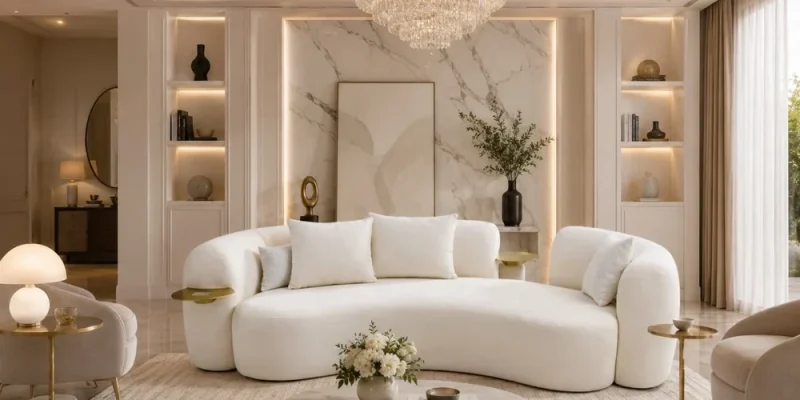
The sofa is often the visual and functional center of a living room. It is where people relax, watch television, entertain guests, read, spend time with family, and sometimes even work. Because of this, choosing the right sofa can have a major impact on both the comfort and overall style of the space.
A good sofa should do more than simply fit against a wall. It should work with the room’s size, layout, lighting, color palette, and everyday use. People looking for contemporary furniture with a strong design presence may consider Avant-Scene sofas when exploring options for creating a more polished and comfortable living area.
Why the Sofa Is Such an Important Design Choice
Unlike smaller furniture pieces, a sofa occupies a large amount of visual space.
Its shape, color, fabric, and proportions can influence how the entire room feels.
A large, low-profile sofa can make a room feel more relaxed and modern. A compact sofa with cleaner lines may work better in a smaller space. Softer shapes can create a more casual atmosphere, while structured silhouettes may give the room a more formal appearance.
Because the sofa is such a dominant element, it is often easier to build the rest of the room around it rather than treating it as an afterthought.
Start With the Size of the Room
One of the most common mistakes when buying a sofa is choosing based only on appearance.
A sofa may look perfect in a showroom but feel too large once it is placed in the home.
- Wall length
- Room width
- Doorways
- Hallways
- Staircases
- Elevator dimensions
- Walking paths
It is also helpful to mark the sofa dimensions on the floor with tape.
This makes it easier to understand how much space the furniture will actually occupy.
A sofa should feel substantial without making the room difficult to move through.
Why Proportion Matters
Scale is different from simple measurement.
A sofa may technically fit in the room but still look visually out of proportion.
For example, a very large sectional may overwhelm a compact apartment, while a small two-seat sofa may look lost in a large open-plan living area.
The sofa should relate well to:
- Coffee tables
- Side tables
- Chairs
- Rugs
- Ceiling height
- Room width
Good proportion makes the room feel balanced.
How Sofa Shape Can Influence the Layout
Different sofa shapes work better in different spaces.
Straight Sofas
Traditional straight sofas are flexible and can work in both small and large rooms.
They are easy to combine with chairs, side tables, and coffee tables.
Sectional Sofas
Sectionals can define a seating area and provide more room for larger households.
They work especially well in open-plan spaces.
Curved Sofas
Curved designs can create a softer and more contemporary look.
They may also improve conversation because guests naturally face one another more directly.
Modular Sofas
Modular seating allows sections to be rearranged.
This can be useful for people who want more flexibility in their living room layout.
Why Comfort Should Be Tested Carefully
A sofa can look beautiful but still be uncomfortable.
Comfort depends on several factors, including:
- Seat depth
- Seat height
- Cushion firmness
- Back support
- Armrest height
- Fabric texture
People have different preferences.
Someone who enjoys sitting upright may prefer a shallower seat and stronger back support.
Someone who likes lounging may prefer a deeper sofa with softer cushions.
The best option should match how the sofa will actually be used.
How Fabric Changes the Look and Feel
Upholstery has a major influence on both comfort and maintenance.
Different fabrics create different visual effects.
Textured Fabric
Textured upholstery can make a room feel warmer and more relaxed.
Smooth Fabric
Smoother materials can create a cleaner and more refined appearance.
Velvet-Like Finishes
These may add richness and visual depth.
Performance Fabrics
These can be useful in busy households where durability and easier maintenance are important.
The right material depends on lifestyle as much as design.
Why Color Selection Matters
A sofa is often one of the largest blocks of color in the room.
Neutral shades can create flexibility because they work with many different accessories and wall colors.
Popular neutral directions may include:
- Beige
- Grey
- Cream
- Taupe
- Charcoal
Bolder colors can turn the sofa into a statement piece.
Examples might include:
- Deep green
- Navy
- Rust
- Burgundy
- Warm brown
The choice depends on whether the sofa should blend into the room or become a focal point.
How to Use a Sofa as the Starting Point for the Room
Instead of choosing every item separately, homeowners can use the sofa as the foundation of the design.
Once the sofa is selected, other elements can be coordinated around it.
These may include:
- Area rugs
- Coffee tables
- Side tables
- Lighting
- Curtains
- Artwork
- Accent chairs
- Cushions
This creates a more intentional result.
It also reduces the chance that different pieces will compete visually.
Why a Good Sofa Needs the Right Rug
A rug helps define the seating area.
Without one, the sofa and chairs may feel disconnected, especially in a larger room.
The rug should generally be large enough to visually connect the major seating pieces.
A rug that is too small can make the arrangement feel fragmented.
The color and texture should also complement the sofa rather than compete with it.
How Coffee Table Choice Affects the Sofa Area
The coffee table should work with the scale and shape of the sofa.
A large sectional may need a broader table.
A curved sofa may pair well with a round or organic-shaped design.
A compact sofa may work better with a smaller table or nesting tables.
There should also be enough space for comfortable movement between the sofa and table.
Function matters just as much as appearance.
Why Lighting Is Important Around the Sofa
Lighting can dramatically change how the seating area feels.
A strong lighting plan may include:
Floor Lamps
These can add both task lighting and visual height.
Table Lamps
Side tables with lamps can create a warmer atmosphere.
Overhead Lighting
This provides general illumination.
Accent Lighting
Wall sconces or indirect lighting can make the room feel more layered.
The sofa should be comfortable during both daytime and evening use.
Good lighting helps make that possible.
How Sofas Can Define Open-Plan Spaces
In open-concept homes, the sofa can act as a visual boundary.
Instead of pushing every piece of furniture against a wall, the sofa may be used to separate:
- Living room from dining area
- Lounge from kitchen
- Conversation area from workspace
This can make the overall layout feel more organized.
The back of the sofa becomes part of the design, so the piece should look good from more than one direction.
Why Modular Sofas Are Useful for Changing Needs
Homes do not always stay the same.
People move, families grow, and room layouts change.
Modular sofas can provide flexibility because sections may be rearranged.
This can allow the same furniture to adapt to:
- Larger rooms
- Smaller spaces
- Different apartment layouts
- Entertainment needs
- Family changes
For people who expect their living situation to change, modular furniture can be a practical option.
Why Sofa Depth Matters More Than Many People Realize
Seat depth has a major influence on comfort.
A deeper sofa may feel ideal for lounging but less comfortable for someone who prefers upright seating.
A shallower sofa may provide better support but feel less relaxed.
Before choosing, think about how the sofa will be used most often.
Is it mainly for:
- Conversation
- Watching movies
- Reading
- Napping
- Entertaining guests
The answer can help determine the most suitable depth.
How to Make a Sofa Look More Styled
Even a simple sofa can look more finished with a few well-chosen accessories.
Cushions can add:
- Color
- Texture
- Pattern
- Contrast
Throws can introduce warmth and softness.
However, too many accessories can make the sofa feel crowded.
A smaller number of carefully selected pieces often looks more refined.
Why Quality Construction Matters
A sofa is usually a long-term furniture purchase.
It should be able to handle regular use while maintaining its shape and comfort.
Important considerations may include:
- Frame quality
- Cushion construction
- Upholstery durability
- Stitching
- Support
- Overall craftsmanship
A sofa that looks attractive at first but loses shape quickly may not provide good long-term value.
How Lifestyle Should Influence Sofa Choice
The right sofa depends heavily on the household.
A family with children may prioritize durability and easy maintenance.
Pet owners may care more about upholstery resistance and cleaning.
Someone living alone in a design-focused apartment may prioritize appearance and proportions.
People who entertain frequently may want more seating.
There is no single sofa that works best for everyone.
Lifestyle should guide the decision.
Why Minimalist Sofas Can Work in Many Interiors
Clean-lined sofas are popular because they can adapt to different design styles.
A simple shape can work with:
- Modern interiors
- Scandinavian spaces
- Contemporary rooms
- Minimalist homes
- Transitional design
The surrounding furniture and accessories determine the final mood.
This makes minimalist sofas flexible for people who expect their style to evolve over time.
How to Avoid Making a Living Room Feel Too Heavy
Large sofas can visually dominate a room.
To keep the space feeling balanced, consider:
- Lighter wall colors
- Open-leg furniture
- Smaller side tables
- Good natural light
- Simple accessories
Using too many heavy pieces together can make the room feel crowded.
Visual contrast helps maintain balance.
Why Placement Can Be More Important Than Style
Even a beautiful sofa can look wrong if it is poorly positioned.
Avoid automatically pushing the sofa against the wall.
Depending on the room, floating it slightly inward may create a more intentional arrangement.
Consider:
- Conversation flow
- Television placement
- Windows
- Doors
- Walking paths
- Natural light
Furniture placement should support how people actually use the room.
What to Consider Before Buying
Before making a final decision, ask several practical questions.
Will It Fit Through the Door?
Delivery access should be checked carefully.
Is the Seat Comfortable?
Appearance alone is not enough.
Does the Fabric Suit the Household?
Maintenance needs should match everyday life.
Does the Scale Work?
The sofa should feel balanced in the room.
Will the Style Age Well?
Timeless shapes may remain appealing longer than highly specific trends.
Thinking through these questions can reduce the chance of regret later.
Why a Sofa Can Influence the Entire Home
Living rooms often connect visually to dining rooms, kitchens, entryways, and hallways.
Because the sofa is such a large piece, its style can influence the broader interior.
A thoughtfully chosen sofa can help establish:
- Color direction
- Material palette
- Overall mood
- Design style
This can make decorating the rest of the home easier.
Final Thoughts
The right sofa can completely change how a living room looks and functions. It can define the seating area, improve comfort, support entertaining, and establish the visual direction for the rest of the space.
The strongest choice is not necessarily the largest, most expensive, or most dramatic sofa. It is the one that fits the room, lifestyle, and design goals in a balanced way.
By considering size, proportion, fabric, color, comfort, lighting, layout, and long-term use before buying, homeowners can choose a sofa that feels intentional rather than simply filling an empty space. A well-selected piece can become the foundation of a living room that is both stylish and genuinely comfortable.




Comments