
 By
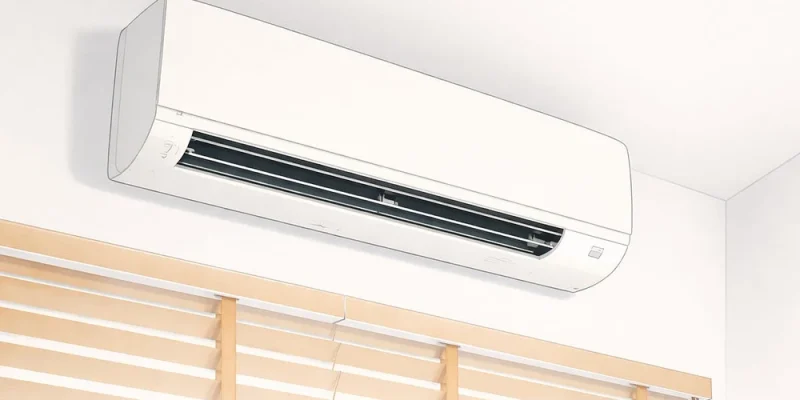
A heating or cooling system rarely loses its efficiency overnight. More often, homeowners searching for hvac repair in Oak Lawn begin noticing small disruptions first, such as a bedroom that stays cold, an air conditioner that runs longer than usual, or a utility bill that rises without an obvious explanation. These changes may appear minor, but they can reveal developing mechanical problems, restricted airflow, or components that are no longer operating as intended.
In Oak Lawn, Illinois, where summer humidity and winter cold place very different demands on residential and commercial buildings, recognizing these early signals can make a meaningful difference. Understanding what causes them, which checks are safe to perform, and when professional diagnosis becomes necessary helps property owners make better decisions before a manageable fault turns into a major interruption.
When Familiar Rooms Start Feeling Different
Indoor comfort depends on more than the temperature displayed on a thermostat. Airflow, humidity, insulation, duct condition, and equipment performance all influence how a room feels. When one part of this system changes, occupants may notice inconsistent conditions even though the thermostat appears to be working normally.
A living room might cool quickly while an upstairs bedroom remains warm. In winter, a furnace may heat the rooms closest to the unit while distant spaces receive very little warmth. Such patterns can point toward blocked registers, leaking ductwork, an improperly balanced system, or a blower that cannot circulate air effectively.
Before assuming the equipment has failed, check that supply vents are open and unobstructed by furniture, curtains, or rugs. Compare the thermostat setting with the actual indoor conditions and inspect the air filter for accumulated dust. These simple checks can reveal straightforward causes without requiring anyone to open electrical panels or handle internal components.
If the temperature difference persists, a technician can assess airflow, duct leakage, thermostat operation, and equipment capacity. Identifying the underlying cause is more useful than repeatedly adjusting the thermostat in an attempt to compensate.
What Strange Sounds and Smells Can Tell You
Heating and cooling equipment produces some normal operating sounds, including a brief click when a thermostat activates and a steady flow of air through vents. New, persistent, or increasingly loud noises deserve closer attention because they can indicate mechanical wear or an electrical problem.
A rattling sound may come from a loose access panel or debris near the outdoor unit. A high pitched squeal can indicate a worn belt or another component under strain, depending on the system design. Repeated banging, grinding, or harsh buzzing should not be dismissed as ordinary operation.
Odors require a different approach. A temporary dusty smell when a furnace starts after months of inactivity may disappear as accumulated dust burns off. However, persistent burning odors, electrical smells, or unusual chemical odors warrant investigation. If you smell gas, leave the building immediately without operating switches or using a phone inside, then contact the gas utility or emergency services from a safe location.
Never attempt to diagnose a furnace’s combustion system or repair electrical components yourself. Professional inspection is particularly important when unusual sounds or odors appear alongside repeated shutdowns, poor heating, or tripped breakers.
Why a Rising Energy Bill Deserves a Closer Look
Energy consumption can increase for several reasons, including changing outdoor temperatures, longer operating hours, and shifts in household routines. However, an unexplained increase may also indicate that heating or cooling equipment is working harder than necessary to maintain the requested temperature.
A clogged filter restricts airflow, forcing the system to work under less favorable conditions. Dirty coils can interfere with heat transfer, while leaking ducts allow conditioned air to escape before reaching occupied rooms. Faulty thermostat sensors and worn mechanical parts can also contribute to inefficient operation.
According to ENERGY STAR’s heating and cooling guidance, checking filters regularly and arranging annual professional tune-ups are important steps toward maintaining efficiency.
Comparing energy bills across similar months can help establish whether consumption has changed unexpectedly. It is also useful to note how frequently the equipment cycles, how long it takes to reach the target temperature, and whether certain rooms have become harder to heat or cool. These observations give a technician a clearer starting point during diagnosis.
The Seasonal Demands That Put Equipment to the Test
Oak Lawn experiences substantial seasonal temperature changes, so heating and cooling equipment must handle both prolonged cold periods and humid summer weather. Each season creates a different set of challenges.
During winter, a furnace may struggle because of ignition problems, a malfunctioning blower, restricted airflow, or a thermostat that is not communicating correctly with the equipment. Heat pumps can also experience performance issues when components malfunction or airflow becomes inadequate. Because heating failures during freezing weather can create serious risks, unusual operation should be investigated promptly.
Summer places greater demands on air conditioning systems. Warm air from the vents, excessive indoor humidity, water around the indoor unit, or frequent cycling can indicate problems with drainage, refrigerant levels, electrical components, or heat exchange.
A technician should determine whether a fault requires a straightforward repair or a more extensive correction. Replacing a component without identifying why it failed may allow the original problem to continue affecting the system.
Knowing When Maintenance Is Enough and When Repairs Are Necessary
Routine maintenance and repair serve different purposes. Maintenance keeps functioning equipment in good condition, while repair addresses a specific fault that prevents normal operation or reduces performance.
Homeowners can safely handle a few basic tasks between professional visits. Replace disposable air filters according to the manufacturer’s instructions, keep outdoor equipment clear of leaves and other debris, and make sure supply and return vents remain unobstructed. Check thermostat batteries if applicable and note any warning indicators displayed by the equipment.
More technical work requires appropriate training and tools. Refrigerant handling, electrical testing, gas connections, burner adjustments, and internal component replacement should be left to qualified professionals.
Annual inspections are useful because problems may develop before symptoms become obvious. A spring cooling inspection and a fall heating inspection allow technicians to evaluate the equipment before periods of heavier use. Depending on the system, this may involve checking electrical connections, cleaning coils, inspecting drainage, testing safety controls, and verifying proper operation.
What a Thorough Service Visit Should Actually Accomplish
A useful service appointment begins with questions about the problem rather than an immediate recommendation to replace equipment. When did the symptoms begin? Does the issue occur continuously or only during extreme weather? Has the system been making new noises, producing unusual odors, or consuming more energy?
The technician should then inspect the relevant components, test system operation, and explain the findings in understandable terms. If several solutions are possible, the homeowner should receive a clear explanation of the costs, expected benefits, and limitations of each option before work begins.
For property owners, the most useful outcome of a service visit is not simply getting the equipment running again. It is understanding what caused the issue, what was corrected, and whether any additional work should be planned to maintain reliable performance.
Making Comfort More Predictable Throughout the Year
An HVAC system should not need to fail completely before it receives attention. Uneven temperatures, unfamiliar noises, persistent odors, unusual moisture, and rising energy consumption can all provide early evidence that something has changed.
Responding to those signs gives property owners more time to investigate their options instead of making rushed decisions during extreme weather. It also helps distinguish ordinary maintenance needs from faults that require immediate professional attention.
The most effective approach combines regular filter checks, seasonal inspections, sensible thermostat use, and prompt investigation of recurring problems. When repairs are necessary, accurate diagnosis and transparent recommendations help protect both the equipment and the household budget.
Ultimately, reliable indoor comfort comes from understanding how a system behaves under normal conditions and recognizing when that behavior changes. Small observations made early can prevent larger disruptions later, helping Oak Lawn homes and businesses remain comfortable through the demands of every season.




Comments