
 By
By 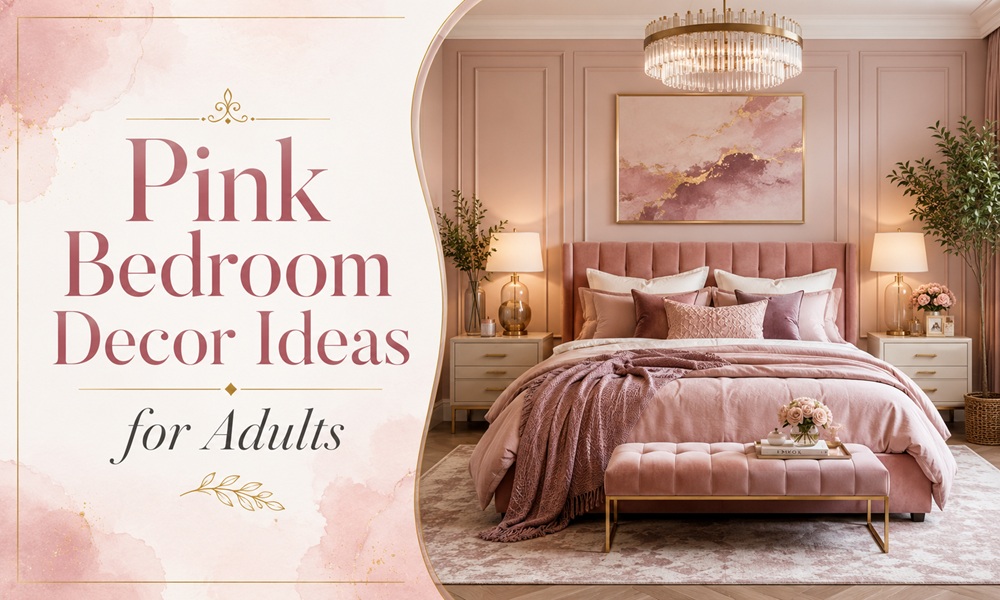
Pink is not just for kids’ rooms. Handled with a little restraint, it becomes one of the warmest, most calming colours you can put in a bedroom — the balance point between a cool blue and a warm terracotta. The trick to a grown-up pink bedroom is knowing which pinks to reach for, what to pair them with, and how to add enough texture and contrast that the room feels sophisticated rather than sweet.
Quick answer: To make a pink bedroom look classy and cozy for adults, choose muted shades like dusty rose, mauve, or plaster pink instead of bubblegum, ground them with neutrals or dark wood, layer natural textures, and add one modern or contrasting element to keep it from skewing juvenile.
Can a pink bedroom actually look sophisticated?
Yes — and the internet’s most-shared adult pink bedrooms prove it. The shift is almost entirely about tone. A pale, cool, candy pink can read young. A muted, dusty, or earthy pink reads calm and refined. Designers describe blush and soft rose as soothing, romantic, and almost ethereal — ideal for a space meant for rest. Used subtly, pink brings warmth without making a room feel trendy or loud.
Which pink shades feel grown-up?
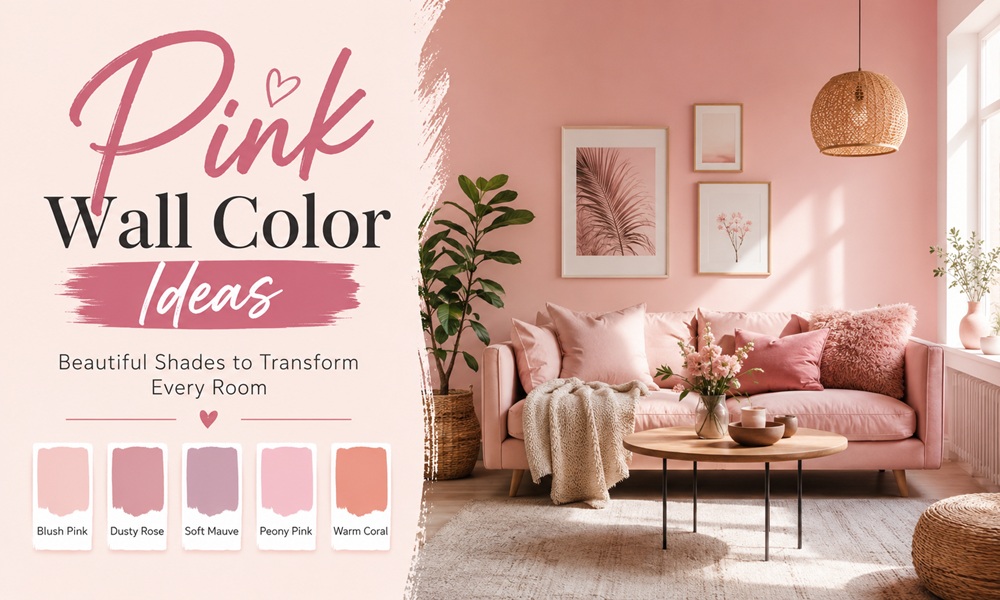
The single biggest lever is the shade. Reach for muted and complex pinks over bright, clean ones.
| Shade family | Feel | Works best as | Pairs with |
|---|---|---|---|
| Dusty rose | Muted, romantic | Walls or bedding | Grey, charcoal, brass |
| Mauve / pink-purple | Moody, elegant | Feature wall, headboard | White, deep green |
| Plaster / peach-pink | Warm, organic | Full walls | Wood, linen, stone |
| Earthy “mud” pink | Cosy, autumnal | Walls with wood | Natural linen, oak |
| Blush | Soft, airy | Accents, textiles | Ivory, gold, sage |
If you only remember one thing: the more muted and slightly “dirty” the pink, the more adult it looks. Clean pastel pinks read younger; complex, greyed, or earthy pinks read timeless.
How do you keep a pink bedroom from looking childish?
This is the question that comes up again and again in décor communities, and the answer is a set of small, deliberate contrasts.
Do:
- Anchor pink with neutrals or dark tones — grey, charcoal, black, warm wood.
- Layer textures — velvet, boucle, linen, wool, rattan — within the same palette.
- Add one modern element — a contemporary light fixture, a sleek headboard, an abstract print.
- Use muted, complex shades over bright, flat ones.
- Let pink be a backdrop, then bring in mature accent colours like deep green, navy, or burgundy.
Avoid:
- Matching everything in the same bright pink (it flattens the room).
- Glossy, plasticky finishes — matte plaster and natural materials feel far more grown-up.
- Over-styling with cute motifs; edit ruthlessly.
Cozy, classy pink bedroom styles to try
Blush minimalist
A soft blush on the walls or bedding, natural linen, pale wood, and almost nothing extra. Calm, Scandi-adjacent, and endlessly restful. Add a contemporary pendant to modernise it.
Dusty rose and grey
Dusty rose textiles over a modern grey headboard, with layers of mauve and dried flowers like peonies or lavender. This combination is a reliable route to a mature master bedroom — romantic but never twee.
Plaster pink and wood
Warm plaster-pink walls with a natural wood-slab headboard, floating timber nightstands, and natural linen bedding. Some owners call this a “forever autumn” bedroom — earthy, cocooning, and deeply cozy.
Pink and dark contrast
For drama, combine a light pink headboard or wall with dark grey or black-panelled walls and yellow or burgundy accents. The contrast is what makes the pink feel intentional and sophisticated.
Rose gold glam
Blush walls layered with rose-gold accessories, velvet textiles, and a photorealistic floral print. Keep it from tipping saccharine by adding a modern light fixture and one clean, contemporary line.
Japandi pink
Muted pink meets Japanese-Scandinavian calm: low wood furniture, uncluttered surfaces, paper-shade lighting, and a tightly edited palette. Arguably the most current way to do adult pink.
What should you pair with pink walls?
- Neutrals (white, beige, greige) for balance and breathing room.
- Deep green or navy to ground the warmth and add richness.
- Wood tones — both light and dark work — for cozy contrast.
- Metallics like brass or rose gold, used sparingly, for a refined lift.
- Black accents — a lamp base, a frame, trim — to sharpen and modernise.
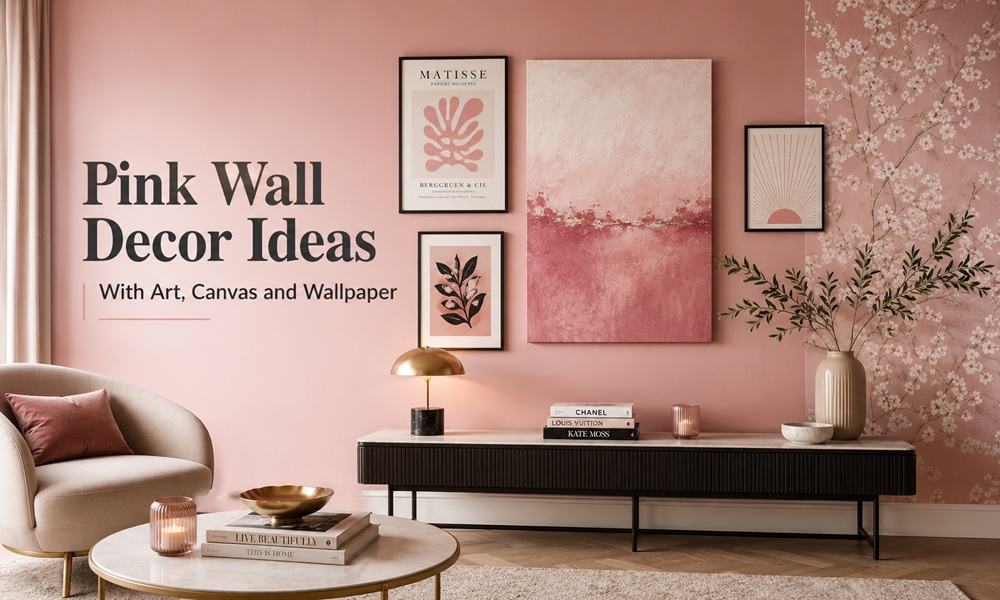
A half-painted wall is a smart middle path if a full pink room feels like too much: paint the lower two-thirds in a muted pink and leave the rest neutral.
An idea most pink-bedroom guides overlook
Nearly every guide talks about walls, bedding, and colour pairing. Very few talk about light temperature — and it quietly makes or breaks a pink bedroom. Pink is unusually sensitive to the light it sits under. Cool-white LEDs (4000K and up) can push a warm dusty rose toward a cold, slightly clinical mauve, draining the cosiness you were going for. Warm bulbs (around 2700K) do the opposite: they deepen and enrich pink, making plaster and rose tones glow at night. So before you repaint because “the pink looks off,” swap to warm-white bulbs and add a dimmer. Layered, warm, dimmable lighting is the cheapest upgrade a pink bedroom can get — and it is the reason the same paint colour can look classy in one home and childish in another.
Frequently asked questions
Is pink a good colour for an adult bedroom?
Yes. Pink is warm and calming, and in muted shades like dusty rose or mauve it reads as sophisticated. It is one of the most restful colours for a bedroom.
What is the most grown-up shade of pink?
Dusty rose, mauve, and plaster pink. These complex, muted tones look far more mature than bright or pastel pinks.
What colours pair with pink for a classy bedroom?
Grey, charcoal, black, deep green, navy, and warm wood. Metallics like brass and rose gold add refinement in small doses.
How do I make a pink bedroom cozy?
Layer textures — velvet, linen, wool, and boucle — use warm-white lighting on a dimmer, and add natural wood and soft, muted tones.
Should a pink bedroom have an accent wall?
It can. A muted pink or mauve accent wall (or a half-painted wall) adds depth without committing the whole room to colour, which keeps it elegant.







Comments