
 By
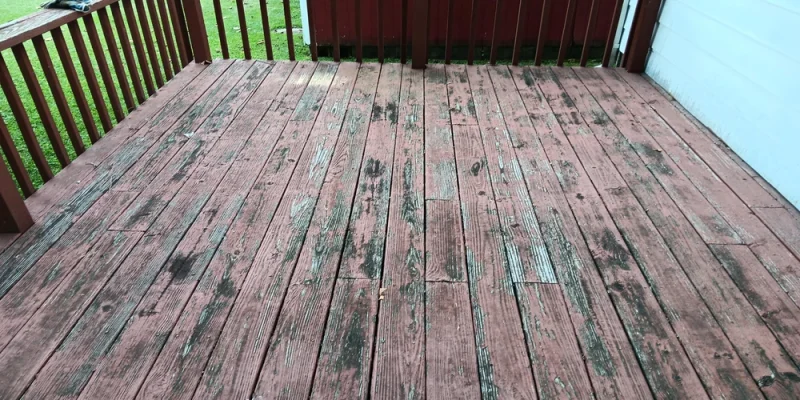
Decks age in a way that’s easy to miss. The boards fade a little each summer, a railing post gets slightly wobbly and one stair tread starts to flex underfoot. None of it seems urgent. Then one day someone leans on the rail during a family barbecue and everyone suddenly pays attention.
The real question with an older deck is rarely “does it look tired?” It’s whether the hidden structure underneath can carry another ten or fifteen years. Most of a deck’s lifespan lives in the parts you don’t walk on.
Contractors who provide deck services in Boerne and other hillside towns with long, hot summers see the same pattern again and again. Homeowners ask for new boards when the frame is the real issue, or they plan to tear everything out when a careful repair would do. Knowing how to read your own deck helps you ask better questions before anyone gives you a quote.
Reading a Deck From the Ground Up
The smart way to judge a deck is to start at the dirt and work upward, because problems lower down cause the trouble higher up.
Footings and posts. Look at where each post meets its footing. Wood posts buried directly in soil or concrete often rot just below the surface, where moisture stays trapped. Shifting, tilting or a gap between the post and its base points to settling or decay.
Beams and joists. Crawl under the deck with a flashlight if you can. Sagging between supports, cracks that run along the grain and dark, soft spots near the tops of joists are all warning signs. Joist tops rot first because water drips through the board gaps and sits there.
The ledger. This is the board bolted to the house, and it’s the most common place for a serious failure to start. Look for rust streaks, missing flashing, stained siding below the deck and fasteners that are nails instead of bolts or structural screws.
Deck boards. Surface cracks and graying are mostly cosmetic. Boards that feel spongy, split at the ends or have fasteners popping out tell you more about moisture and age.
Railings and stairs. Grab the guard posts and push hard. They should feel rigid. Stair stringers deserve a close look too, especially where they meet the ground and soak up water.
A Simple Probe Test Anyone Can Do
You don’t need special tools to get a decent read on the wood. A flat-head screwdriver works.
- Pick a dry day so damp surface wood doesn’t fool you.
- Press the screwdriver tip into the framing at an angle, starting with post bases, joist ends and the ledger.
- Healthy wood resists and splinters in long fibers when pried.
- Rotted wood lets the tip sink in easily and breaks off in short, crumbly pieces.
- Mark any soft spots with tape so you can show a contractor exactly where they are.
A handful of soft boards is a small repair. Soft spots spread across the joists or ledger usually mean the frame has reached the end of its life.
Three Paths Forward
Once you know what’s going on underneath, the choice usually narrows to one of three options.
Clean, Repair and Refinish
This works when the frame is solid and the problems are on the surface. A crew replaces a few damaged boards, tightens or swaps corroded fasteners, adds missing hardware like joist hangers and lateral connectors, then cleans and seals the whole surface. It’s the least expensive route and can add years to a deck that was built well to begin with.
The catch is that refinishing is a recurring job. In strong sun, a penetrating stain on horizontal surfaces often needs another coat every year or two.
Resurface on the Existing Frame
Many homeowners like this middle option. The old boards and railings come off, the frame gets inspected and reinforced and new decking goes on top. Composite or PVC boards are common choices here because they cut down on yearly sealing.
There’s one big warning. Composite decking can outlast a wood frame by decades. Putting a 25-year surface on a frame with 8 good years left just moves the problem to later. Good contractors will often add joist tape to protect the tops of the joists, replace questionable members and sometimes add extra joists, since many composite boards need closer spacing than old wood decking did.
Tear Down and Rebuild
A full rebuild makes sense when the ledger is compromised, the footings were undersized or never reached stable ground, or rot has spread through the framing. It’s also the moment to rethink the design. Older decks were often built without permits, with undersized beams, weak railing connections and stairs that don’t meet modern rise and run standards.
A rebuild lets you change the shape, add a covered section for shade, move the stairs to a better spot or switch to a freestanding frame that doesn’t rely on the house wall at all.
Older Lumber Deserves Extra Care
If your deck was built before the mid-2000s, there’s a good chance the framing is CCA-treated lumber. This preservative contains arsenic and was phased out for residential use years ago. The Environmental Protection Agency explains on its chromated arsenicals information page that existing CCA structures don’t have to be removed, but the wood should be handled carefully.
The practical takeaways are simple. Never burn old deck lumber in a fire pit or fireplace. Wear a dust mask and eye protection when cutting it, and wash your hands afterward. Don’t turn it into mulch or garden beds. Applying a penetrating stain regularly to an older deck may also reduce how much chemical leaches out over time.
Heat, Sun and Timing
Long stretches of intense sun are hard on decks. UV breaks down wood fibers, finishes chalk and peel faster and boards dry out and check. Hardware corrodes faster, too, especially where treated lumber meets cheap fasteners.
Timing a project matters as well. Cooler months make for more comfortable work and easier finishing, since stains cure better when boards aren’t scorching hot. Booking in late fall or winter also means the deck is ready before people start spending their evenings outside again.
Making the Call
An old deck with a sound frame is worth saving, and a good refinish or resurface can make it feel new for much less than a rebuild. A deck with a failing ledger or rot across the joists is a different case. No amount of new boards will make it safe.
Start with the screwdriver test, look closely at where the deck meets the house and take honest notes on what you find. Those notes will tell you whether you’re looking at a weekend refresh or a fresh start.









Comments