
 By

Drive through Lehi on an October morning and you might scrape frost off the windshield at seven, then roll the windows down by three in the afternoon. Utah County weather is generous with sunshine and stingy with moisture, and it swings hard between seasons and sometimes within a single day. The furnace and air conditioner feel every bit of it.
Equipment that works fine in Phoenix or Atlanta does not always behave the same way at the foot of the Wasatch. Local crews like Holmes Family Heating & Air spend their days on furnaces, air conditioners and rooftop commercial units from Lehi across to Eagle Mountain, Highland, Draper and down toward Provo, and the same regional conditions show up in nearly every job.
Thin Air Rewrites the Furnace Recipe
Lehi sits at roughly 4,550 feet, and the benches around Alpine and Highland climb higher still. Every cubic foot of air up here carries less oxygen than it would at sea level. A gas burner depends on a precise mix of fuel and oxygen, so when the oxygen thins out and the gas flow stays the same, combustion turns rich.
Rich combustion is not a small inefficiency. It can leave soot on the burners, raise carbon monoxide production and put extra heat stress on the heat exchanger, which is the part that keeps flue gases separate from the air you breathe. Fuel gas codes have long called for reducing a furnace’s input as elevation climbs, and many manufacturers approve their units to run unchanged only up to a set altitude. Beyond that line, the furnace needs smaller orifices, a different pressure switch or a factory high altitude kit.
Because so many Utah County homes sit near those cutoffs, the right setup depends on the manual and your lot’s actual elevation. Lazy yellow flames, soot around the burner area or a furnace that trips its safety switches repeatedly are all reasons to have the combustion checked.
Lighter Air Shrinks Your Air Conditioner Too
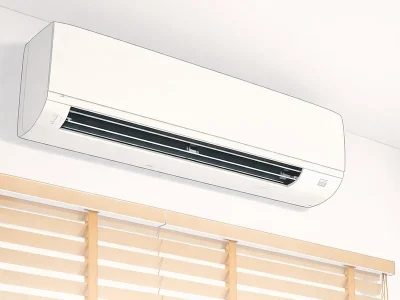
Altitude does not only affect gas appliances. An outdoor condenser works by pushing heat into the surrounding air, and thinner air carries away a little less heat with each pass across the coil. Real capacity ends up slightly below the label rating.
That makes square footage rules of thumb even less reliable here. A proper load calculation looks at local design temperatures, insulation, window area and which way the house faces. It matters a great deal in newer Lehi subdivisions, where tall west facing windows and upstairs bonus rooms bake through July afternoons while the basement stays cool.
Bigger is not the fix. An oversized unit cools the thermostat quickly, shuts off, then starts again minutes later. That short cycling wastes power and wears out the compressor. Balanced ductwork, enough return air upstairs and sometimes zoning usually solve the hot bedroom problem better than more tonnage.
Desert Dryness Cuts Both Ways
Summer in Utah County is a dry heat, and that opens an option most of the country cannot use well. Evaporative coolers, often called swamp coolers, pull outdoor air through wet pads and can drop its temperature substantially while using far less electricity than a compressor.
They come with tradeoffs. They need windows cracked open to move air through the house, they lose punch on the occasional sticky late summer day when monsoon moisture drifts north, and they must be drained and covered before the first hard freeze.
Winter flips the story. Cold outdoor air holds very little moisture, and once the furnace warms it, indoor humidity can fall into the teens. Common clues that the air inside has become too dry include
- static shocks every time you touch a doorknob or light switch,
- gaps opening between hardwood boards or cracks in wood trim,
- scratchy throats and nosebleeds that ease when you travel,
- houseplants browning at the leaf tips despite regular watering.
A humidifier mounted on the furnace can bring indoor levels back toward a comfortable middle range. The catch is condensation. When the temperature outside plunges, the setting should come down too, otherwise moisture collects on window glass and inside cold exterior walls.
Inversion Season Turns the Filter Into a Front Line
From roughly December through February, cold air settles into the valleys under a lid of warmer air and pollution builds up with nowhere to go. Salt Lake City’s air quality office points out that while an inversion holds, particulate pollution trapped beneath that warm layer can double from one day to the next, and the same mountain bowl geography repeats right down through Utah Valley.
Keeping windows shut on red air days is a start, but the filter is what catches particles already inside. Moving from a basic fiberglass filter to a pleated filter in the MERV 11 to 13 range captures far more fine particulate, provided the blower and ductwork can handle the added resistance. A technician can measure static pressure to confirm that, or recommend a deeper media cabinet that filters well without choking airflow. During inversion stretches, filters load up faster and deserve a closer look every few weeks.
Tight new construction adds a twist. Homes built to modern energy codes often include mechanical ventilation, such as an energy recovery ventilator, that brings in outdoor air on purpose. On the worst air days, turning that ventilation down for a while, then back up when the storm clears the valley, is a sensible habit. Summer wildfire smoke calls for the same playbook.
Wide Daily Swings Reward Smarter Equipment
Spring and fall along the Wasatch Front can deliver a thirty degree gap between dawn and midafternoon. A thermostat with automatic changeover and a sensible gap between the heating and cooling setpoints keeps the two systems from fighting each other.
Those swings also make heat pumps more attractive than they once were. Cold climate models now keep producing useful heat well below freezing, and many Utah County homeowners pair one with their existing gas furnace in a dual fuel arrangement. The heat pump covers mild days efficiently and the furnace takes over when nights drop into the teens. Setting the switchover temperature around local gas and electric rates is where the savings come from.
The mild shoulder seasons are also the ideal time for service. A furnace check in September catches cracked igniters and dirty flame sensors before the first cold snap, and an air conditioner tune up in April or May means refrigerant issues surface before the June backlog.
Where Local Conditions Meet Everyday Comfort
None of these quirks is dramatic on its own. Thin air, dry seasons, trapped smog and restless temperatures each nudge a system a little off its ideal, and over a decade those nudges add up to higher bills, more breakdowns and rooms that never feel right.
The homeowners who come out ahead tend to ask a few pointed questions whenever equipment is serviced or replaced. Was the furnace set up for this elevation? Was the new unit sized from a real load calculation? Can the ductwork handle a better filter? Asking those questions turns Utah County weather from a constant fight into something a well matched system handles without much fuss.






Comments